Tuesday, 29 September 2015

Research - Mrs Quinlan: Mise en scene: Body language and facial expression

Body language and facial expression 

In this post i will be talking about body language and facial expression. Body language is a way of showing people how you feel to others by the expression of body movements and facial expression is a way expressing of your emotions on a persons face. its important to use it in films since it body language and facial expressions can show feelings from the character. this is helpful murder scenes or scenes where the characters is running away from something or someone running.

Below is some example of what body languages and facial expressions that a characters in a stereotypical would used in the thriller genre.


Victim

A stereotypical victim in a thriller would use various different body language and facial expression when confronting the antagonist. If they are trying to stand up to them their faces look angry. The use of the body language shows that they want to lash out on the antagonist. However if they are running away from the antagonist their body language is more difficult an example of this would be their hairs might be standing on end and they may have the facial expression of scared or panicking. A protagonist body language may have had a been also a scared however unlike the victim he might have confident facial expression.

Protagonist


A Stereotypical Protagonist would their body language during most scenes would be relaxed their body language looks.  However, the scene is tenser the protagonist body language and facial expressions would change. They would look confident in some sub-genres or their face would be more concerned or confused because of the situation they are facing.

Antagonist


A stereotypical antagonist may have an would have been the person some who had a confident or even over confident facial expression who was prepared on what he or she was doing. This includes that she was prepared for an outcome whatever happening. This meant that she would have used various body language when they did what they did moreover the antagonist would try to cover up what they did when they meet other characters, Antagonist may look sympathetic to other characters and this may include crying and the purpose of this is to confuse the audience and other characters within the thriller.


Scene analysis 

Psycho Both victim and protagonist. 


As we can see with this clip the victim was scared when she first saw the antagonist and was in pain because she was being stabbed in the face the use of different camera angles of her faces show her cant bearing the pain. The aftermath of the attack and that she knew she was going to die and her body language is that she is given up since she was been left for dead and her facial expression was she was in shock. 
The antagonist in this clip was harder to analyse since the director didn't show the face of the antagonist, however, its quite clear from the body language that intent was to try an kill the victim. And was trying to get the job done as quickly as possible.


Conclusion: what types of body language and facial expressions are you now planning to use for your characters and why?


Thrillers can use various different body language and facial expression to try to express a range of different emotions during different situations. For my thriller, I need to show various facial language and body languages to show the characters reactions to certain events in the narrative. I'm planning to use aggressive language for the antagonist since they would show the intent of what the antagonist is planning. Some of the body language I'm planning to use may be subtle however the audience should be able to pick up what emotions are being conveyed throughout that scene.


Research - Mrs Quinlan: Mise en scene: Costume, Hair and make-up

Costume, hair and make up

Costume hair and makeup is an element of mise on scne. This is where make up artist, designers would dressed the actors in the clothing that they would be wearing for that scene. Costumes allows the audience to understand about a character what their personalities or trait they have depending on the costume. Different costumes may represent different stereotypes of character, someone wearing dark clothes may be represented as the antagonist or an anti-hero depending on what sub-genre the film, someone who is wearing light colours might be represented as the protagonist. 

Costume, hair and make-up: discuss connotations, stereotypes of characters and clothing types 

They are many different stereotypes within thrillers however the most noticeable is the victim, protagonist and antagonist characters. Since these the most well popular used type of character used in thrillers. Below are a range of character descriptions of diffrent characters you would see in an thriller

A stereotypical victim within a thriller film would be girls in blonde hair and would wear ill-fitting clothing or trainers and these clothing may not suite the environment shes in. The reason why they use characters is that they show that very innocent and because they show they are also naive and unaware to the situation that happening. Stereotypical victims tend to die first in thrillers. However this situation is not apply to every genre as this can vary between different genres. An example of an stereotypical victim would be the first victim in screen since she fits within the character description. An stereotypical protagonist in the thriller genre would be wearing bright clothing or clothing that can stand out and look authoritative. Also depending on the sub-genre could have supernatural powers. But like with most characters within the thriller genre they would be distinct negatives which could help the antagonist. The protagonist could either be male or even female depending the context of the story. A stereotypical antagonist would wear dark clothing, would cover his face with and mask or balaclava. And most of the time would be a male character. They would try hiding their identity throughout of film and would sometimes wear a cloak to try and protect himself. However the stereotypical antagonist thriller would also depends on the sub-genre as in sub-genre in thriller area like Action thriller may have a dark suite instead of a cloak. To show that he’s a professional and he would kill anyone. An example of an sterotypical Antagonist would be the antagonist from scream.

Stereotypical antagonists, ghost or evil characters body language and facial expressions


Stereotypical victim and protagonist in terms of clothing
An stereotypical victim would of been Blond hair, ill fitting shoes, t-shirt and blue eyes. In most thrillers any girl with blond hair would usually be the or a victim.

A stereotypical antagonist would of have worn dark clothing, trainers and sometimes a ski mask or anything to cover his face

Scene analysis 

In this scene analysis i will be analyzing the first two characters that are shown in the opening of the silence of the lambs, The first character we see is (at 1:29) she is wearing casual clothing, dark hair and trainers as you go further on into the opening she also happens to be highly skilled therefore the audience may think shes the protagonist in the film. However earlier the audince maybe thought she was an  The next character we see is (at 2:52) he is tall person and could also be the protagonist since who could be representing authority in the film

Conclusion


In conclusion the costume hair and make up represent different stereotypes of different characters. Costume hair and make-up allows the audience to find who's the protagonist and antagonist of the film and is this part of mise on scene is usually quite subtle. i need to remember that there are a code convection for thrillers with costume hair and make up and should try to stick too them. The plans for the costume hair and make up i will be may use would be the antagonist would be wearing dark clothing his hair would be brown however he wouldnt be wearing any make-up. My ideas will change depending what type of opening scene that i will be planning to create.


Research - Mrs Quinlan: Mise en scene: Setting and iconography

Mise en scene: setting and iconography:


Intro: what are setting and iconography and why is it an important convention? How can it help with audience understanding? Discuss connotations and denotations.


Iconography and setting are an important mise on scene element in thrillers this is because it helps sets the scene within the film. Setting or [Location] is an important convention since it tells the audience where the film is taking place and what they can expect from this location and the film. For example, if a scene was taking place in a forest the audience would know something was about to happen. Iconography is another important convection within thrillers as this allows the audience to associate an object with a meaning or purpose throughout a film or a scene. They are many different objects that can be used for example a knife could be used to kill someone and the audience would know that the knife symbolises the death of a character.

Convectional thriller settings can vary from film to film and can depend on the sub-genre of that film. Typical settings could include, forests, corridors, confined places, abandon buildings, and homes. The connotation is that some places are considered safe which means the film could have an effect on the audience. However, the denotation would of conventional of using all of a small pool of locations compared to other genres. This means thrillers may sometimes be seen as repetitive.


Settings and sub-genre: how are settings dependent on sub-genres? 


An example of a film using setting to the films advantage would be "The grudge". Which is the thriller with a sub-genre of horror. The film use places like houses or hospitals with extremely low lighting compared the reason why they would this was because these places are considered as places of safety, however, The Grudge manipulates this ideal therefore affecting the audience psychological. Therefore creates tension and excitement throughout the film. Most other thrillers films may use different places to suit their sub-genre and what their audience may be expecting.


Iconography: what are typical thriller iconography and why? Discuss connotations and denotations


Iconography is the object of significance in a film, various thrillers would use this technique throughout their film. The main purpose of an iconography is that it's an important object within a scene or film. This can range from a variety of objects.  This might range from guns to blankets depending on the film. Iconography can reflect what happening a scene, for example, a gun might be the object of significance since that may have been fired and it could be injured and/or killed someone. Another example would have been a blanket, during a scene a child might be hiding behind a blanket. The blanket would be the object of significance since it’s the most important object in the scene.

Iconography and sub-genre: how are settings dependent on sub-genres? 


Like with settings, sub-genre can affect iconography within thrillers. Since iconography and the use of objects can vary from film to film. An example of this being used would be the shining during the here's Johnny scene. The main iconography that was used throughout that scene was an axe this signify that a character is being brutally hunted down by the antagonist. Different sub-genres such as physiological, spying and horror thrillers will use different objects of significance to represent a scene or film. There is no set convention for iconography and can vary from thriller to thriller because they would be using different objects.


Thriller opening analysis. Analyse a scene identifying the use setting and iconography


The setting is in a high rise apartment in New York. This seems to be an unusual setting for thrillers since not many would start in a busy place which is in the open. The main iconography throughout the clip would of be the glass shattering @1:38  The object of significance would have been the glass shattering, this tells the audience that the character is in serious trouble and could lead the man to jump over the edge of the high-rise building.

Conclusion: what types of setting and iconography are you now planning to use and why?


Because the film that we are planning is a supernatural type thriller. The setting and iconography would need to reflect this. The main setting of the opening scene would be located in a house this is because I can affect audiences ideas about the house is safe. I would like to also use various other places to break the conventional thrillers. The iconography I should think about using shouldn't be recognized at first however throughout the opening thriller it should be obvious why this situation is happening.


Sunday, 27 September 2015

Research - Mrs Quinlan: Mise en scene: Lighting and colour

Mise on scene: Lighting and Colour


Lighting is an element of mise on secne . The use of different lighting techniques helps to create an atmosphere or mood. These type of lighting technique are used draw attention from the audience to a person or an object. Lighting can also create suspense and also to enhance the film for example using back lighting to show a villain is behind a person helps creates fear in the audience. Colour is another element in Mise on scene that is added to the effect of lighting. Combing both lighting and colour allows the film have more an impact on the audience aswell enhancing the film itself.


Different angles of lighting

Angles of lighting are when lighting is put in different places to create an effect on certain objects or characters.

Under Lighting
The lighting is coming from below the person. This is mostly used when the portraying a character is dark, evil or scheming something. Under lighting gives a distorting effect on the character. This type of lighting is used mostly on Antagonists.

Top-Lighting
The Lighting is coming from above the person. This type of lighting is used highlighting the features of a character creating a glamorous look, and mostly on used characters that have good intentions or in heroic scenes, therefore its used mostly on protagonists.

Back-Lighting
The light source for back lighting is usually behind a person. Not much light is used for back lighting since they make silhouettes on the character this is useful when you only want to see a shadow of an character.


An example of back lighting would be the famous murder scene in psycho: The photo below shows the moment the antagonist was about to kill his victim and the use of back lighting in this scene creates an silhouette of him about to stab the victim.


Types of Lighting

These are different types of lighting that are used to create an shadow or to enhance the film.

Low Key
The lighting is dark with small areas of light which also creates a shadow.
Low key lighting is when there is low lighting in some small areas in others areas there isn’t any. With this type of lighting
Heres an example from the The night of the hunter. You can see that lighting is in a few places while the rest of the scene is mostly pitch back.

High Key
High key lighting appears more natural and realistic to our eyes therefore the lighting effect is heightened

What type of lighting is conventional in thrillers and why


Most thrillers has a dark story-line and therefore use lighting in effect has to reflect the story-line not only that different sub-genre may use lighting in different ways. Thrillers that have a dark story-line or might only use Under Lighting, back lighting and Low key lighting to create a dark scene in which the characters might be threatened by someone mysterious or something that they don't know about.

What type of Colour is conventional in thrillers and why

Most thrillers would use red or black lighting with some or most of these scenes as it would attract the audience attention to the character. The use of the colours means that audience would be associate these colours with different meanings. For example Red is usually associate with blood and the black would be associated with darkness. The use of colours during scenes can help with the lighting and the mood within the film.

Red Lighting


The use of red lighting is seen here in the image aboce you can seen here that the victim is looking for someone or looking scared and could also be panicking. The red filter used in this scene usually connotes danger or death. Also the use of low key lighting shows something is about to happen. After couple of secs would have progressed the victim would of been death.


Black Lighting


The use of black lighting in this image Connotates Darkness and also the danger that may occur during the scene. Another colour they are using with the lighting is hints of whites. This is an important since it creates tension within the scene since the audience wont be able to see well in this film and the use of white lighting show some action.


Thriller Opening Analysis


Most of the opening had dark colours with the occasional red and the was mostly low key and back lighting. this created a dark atmosphere during the opening scene this reflected what was happening throughout the film. when the colour changed to the hint of red was when there was blood shown how was mostly dark. This makes the audience feels a bit apprehensive since they cant see much unless the lighting allows. most of the scene was mostly running and stabbing the response from the audience would of been shock of what just happening. at the end of the opening scene the audience reaction would be shock because an person was killed in the opening which some of members may not have been expecting.


Conclusion


When i am creating my film i would have to make sure that i used suitable lighting which are used in the thriller genre which is back lighting and under lighting, Co lours has to to be dark but not too dark and has to enhance the film. Lighting must be used in a subtle but noticeable way. For example i might use low key lighting if someone running through the forest. also i must try to use techniques for lighting if they apply to the thriller genre.


Tuesday, 22 September 2015

Research - Miss Begum: Editing


Editing

Editing is when you edit an scene to either to move another scene or to show something is happening within the scene or to enhance the film. Editing is important factor when creating films or television shows. The editing has to be fluent and must not be noticed by the viewer except in under certain circumstances where the viewer has to notice, however like with Cinematography you have to be careful how you edit the scenes for a film or television. To edit clips together you would need to use programs such as Sony Vegas pro or Adobe premier pro. There are many different types of techniques used within films. These reflect the pacing, the behaviour or different types of films. The response from the audience where scenes have been edited could vary especially in the thriller genre. Editing a shot could easily scare your audience if done correctly.


Definitions of different types of editing techniques

Transitions

This is where one scene transition into another scene. There are many different types of transitions  that is used in the film industry and in thrillers below is several different types of transitions

Straight Cut

When one shot moves into another shot and it doesn't confuse the viewer. This is usually done with most scenes in a film. This creates fluency in the film and is an general technique that all films would use since its quite simple to do an very effective.

The Video here show the use of straight cuts.

Fade to black

One shot moves to another shot however the scenes fades to black before the next scene appears. This is usually done towards the end of films or scenes that had significant impact. For example the technique is used some murder scene. This technique is regularly used in thrillers especially towards the end of the film or in transition into to another scene. It also used to end the film in a cliffhanger.

Wipe cut

This is when a scene moves is swiped left or right to another scene. This is very rarely used in thrillers since its quite basic technique to use and also can not be use for dramatic effect however it used in several other genres

Dissolve

This is where one scene disintegrates/fade depending how the editor chooses who the dissolve technique is implemented into another scene and is used thrillers frequently used since it can be used to connect two scenes together if there was an cut in the middle or to move to another scene fluently.


Jump Cut


An jump cut is when an scene jumps to another scene on purpose. This is done intentionally especially if the audience needs to see something why there was an jump cut 

Editing techniques

This is would be techniques that is used in editing stage to add dramatic effect or to enhance the film. there are multiple techniques that is used throughout the film industry. Below are several techniques that is used in thrillers.


Shot Reverse Shot


This is where an two people are speaking in a scene however every time someone is speaking the camera is looking towards the person who is speaking and this is used conjunction with an over the shoulder shot. So the camera is looking at person A and the camera is placed over the shoulder person B and this is switched

Below is a video showing shot reverse shot being used in The Hunger Games

Montage

This is where an series of clips are put together to form an montage. This is done at an fast pace and use to build tension within the audience or used as flashbacks during a film. 

Slow Motion

This is where a scene or an clip is slowed down and is used to shown something important or used to show an important scene in which the audience needs to know or would be interested in seeing. These types of technique can provoke an response from 


Fast Pace Editing


This is where clips are put together at an fast pace unlike an montage this is when clips are fast forwarded. these usually show when time is a forwarded.


180 Degree rule


This is an important rule when making films. The 180 degree rule is an hypothetical line across an scene. The camera should not pass this hypothetical line otherwise that scene would no longer be fluent and also would confuse the audience as the audience wont know which side of the set is which. There is an exception to this rule, this is where an camera must show to the audience that the camera has passed the hypothetical line however the same rules would apply after doing that.

Key scene analysis: The Grudge:


Here are examples of shots played during the short clip of the grudge At the beginning of the clip (00:12) you will see an reaction shot. The purpose of this reaction shot was to capture the actor’s emotions. Because she was being haunted by a creature and she caught a glimpse of it in the mirror.
at (00:27) you will see and shot reverse shot showing the girl looking at an mirror looking for someone. at (01:28) you will see a montage or a series of fast pace clips that have been put together. in this case it is shown as a flashback 

When i am creating films editing is one of the most important part of the film besides sound and filming itself. Editing allows you to enhance a film this can be done via using transitions or different types of editing techniques. Editing is really important in thrillers since there are many convections that are used in thrillers. This can range from the use of jump cuts in certain can give an response from the audience to the ways you would add an montage to the thriller. Editing allows you to do this and when a film is really good its comes down to how good the editing. When i am creating my thriller  opening there are several different techniques i will be planning to use. Fade to black at the end of the opening scene so the scene ends on a cliffhanger, this would get an response from the audience. Another technique i am planning to use shot reverse shot to show Dialogue between two characters and something happening background this would have audience response of confused however this confusion would be gone towards the end of the film. I also need to use straight cuts and jump cuts for transitions and also follow the 180 degree rule.


Sunday, 20 September 2015

Research - Mrs Quinlan: Sound

Sound

What is sound and why is it an important micro-element?

Sound can improve a film drastically making it more interesting or tense. There are various sound techniques that can make a film more tense. If you listen to a thriller or horror movie without sound the film may be seen as less scary then what is happening on the screen. However if you play the film again the sound makes the film can make a scene more tense. The reason why its an important micro-element is because that their are various ways to use the sound in films and there are many techniques which allowed films to be more scarier than on screen.

Sound definitions

Sound is split in to categories this is diegetic sound and non-digetic Sounds. This is where sound which is part of the film and the audience know where the sound is coming from. An example would be; Dialogue, Car breaking or From a Jukebox. The sound can be seen on or off screen. And Non-Diegetic sound which is not part of the film. e.g. a sound track , Sound effects and voice-overs. An example of this occurring in an thrillers is when either that the film is building up to an scene or plot point. Below are several examples sounds and if they are digetic or non digetic sounds.

On screen sound:
This is where you can see the sound is coming from. For example an radio maybe playing music this considered as digetic sound since its playing as part of the movie. In the first part of this clip you can hear traffic and see cars and this is on screen sound since you can see as well as digetic sound since you know where it is.


Off Screen Sound:
You can hear sound but you cannot see where its coming however it make sense since its happened during a part of the film. This could be traffic sounds, coughing. In this clip you can hear the Ferris wheel creaking however you dont know which direction the sounds are comming from.


Parallel sound:
This is when the sound you can hear in a film that what is expected For example this could be children playing on a beach The parallel sounds would be the Laughter and talking and the sounds of the sea. And also any non-digetic sound sound such as backing tracks would also match the scene. At 0:37 in the clip below we see the antagonist dancing to the non-digetic sound before starting to slash the victim.


Contrapuntal sound 
This is when the sound dose not match the expectations of what you are viewing. This is non digetic sound since its was added when the editor was editing this scene. An of Contrapuntal examples of this would be jaws. The reason why this would be contrapuntal sound is because of the theme "dun dar" approaching a person and eating the unlucky victim.


Thriller opening analysis. [The Shining]


At the beginning of this clip you can hear the parallel sound of the background music, In this case an screeching sound and shows that antagonist is close to the victim and that hes about to murder her. The dialogue within the scene is on screen sound and would be considered digetic since we know where the sound is coming from since we can see two people talking. As well as off screen sound off the wind blowing however this would be considered as both digetic and non-digetic sound. Since the audience knows that their is an blizzard outside however extra sound effects could of been added by the studio while editing the film

Conclusion: what types of sounds are you now planning to use and why?

When i am creating my film i have to make sure that their is an various mixture of different sound techniques. this means i should use an mixture of sounds that are sound effects or sounds that are playing such as the tv while filming on location. Also i should have backing tracks for the overall movie. This would mean i would have both digetic and non digetic sounds with in my opening scene. Also the background track should fit the scene. An example of this would if someone running the backing track the sound i would pick would have to complement that scene. Using various sound techniques and will make a film more interesting as well create an effect on the audience during scenes where they could be effected by the film psychological or physiologically.


Thursday, 17 September 2015

Research- Miss Begum: Cinematography

Cinematography 

What is cinematography and why is it an important micro-element?


Cinematography generally means the art of filming or taking photography. This means how the camera is position or how the camera director is going film an scene or what angles they are planning to use when they are filming. They are many considerations that need to happen before they start filming. Its an important micro-element you need to plan on what shots your planing to take and how would audience response would be.

What are the three features of cinematography?

Cinematography can come under three stems. Movement, Sizes and angle. all of these are essential for making a film because you need to to take the correct angle or camera movement for different scenes otherwise it might confuse the viewers or make the film look bad.

Cinematic shots

Shots are important especially for a thriller films not only you can capture the emotions of the characters it also helps set a scene. Below are some basic shots

  • Extreme Long shot (Establishing shot) - This shot is usually taken when you start your filming. And is a shot of an large Area that may point of interest.
  • Long shots - Long shots are camera shots that are usually shot at between head to toe.
  • Medium shots - Medium shots are shots waist up to head.
  • Medium close up - Medium close up are shots that are from the shoulder up. They would be used when the director needs the characters to have an reaction to an event and the audience should see this.
  • Close up - Close up shots are usually the face. They would be used when the director needs the characters to have an reaction to an event and the audience should see this.
  • Overhead shots - Almost directly above their heads looking down.

Angles

Different angles tells the viewer what’s type of person he is. Here are several examples

  • High Angle - An high angle makes some look inferior
  • Low angle -  A Low angle makes some look more superior
  • Canted angle - Camera at a tilt.

Camera movement

There are many camera movements you can do with a camera this may include panning around however when your filming an film different camera movements may only suite a scene that you are planning to film.

  • Panning shot - Camera moves across.
  • Tilt shot - Camera moves up and down
  • Crane shot - on a crane, Camera movement is flexible
  • Zoom - Capture emotion or get away from
  • Point of view - When it looks like it is from person view
  • Person View - Hand held went the camera makes with reppition

Analysis of Camera movement (The Phone Booth)


This clip shows a variety of shots taken (at 00:25) you can see an tilt shot with the camera aiming at the protagonist face this is to show him being nervous because he is trying to contact the police. And he doses not want the guy on the phone to know. This reaction from the audience would be very nervous since they don't know what's going to happen next. Then (at 01:42) the camera panning around the telephone box this is because the protagonist just been shot in the ear a couple of seconds early. The audience at the moment are probably in shocked because he was shot and the camera panning is probably making it worse.

Analysis of Camera movement (The Grudge)


The grudge also uses different variety off cinematography (at 0:49) you can seen an tilt shot at an extremely slow pace with the camera is tilting up. This is to show you what about to happening the scene. Because the camera tilting is slow and of other factors the audience is properly nervous because we don’t know what’s going to happen next. In this case the man slips and the scene jumps to another. Another example used in this clip is at (at 1:28) we can see an close up This is because of his reaction to what’s happening in this situation. The audience is probably really nervous because from the actor face something bad is about to happened.

Conlcusion


When filming i have to make sure that i use the correct filming techniques for each different scene there are scenes that may require using different techniques for example if there was someone was running in the woods i would of used medium shot with a crane shot or in my case it would be panning shot since we may not able to have access with a crane.


Monday, 14 September 2015

Research - Miss Begum: What is a thriller?

What is a thriller


What are Genres?


Genre is a way of categorizing different type films television games and other media and literature into categories. The notable way of categorizing media is what the main theme of the media is. This could be Action, adventure, Comedy, Romance, Thriller, Horror and Sci-Fi. Categorizing media allows the viewer to choose an genre that he/she likes. For example they maybe into Thriller Media. Categorizing media like this allows people easier to choose what they like to what they don’t like.


Thriller: Genre

Thriller is a media  that may have a good plot that involves the audience and also it include plot twist that might throw of the reader or viewer. There also use of suspense and tension that is either created throughout the film or during some scenes. The use of different cinematography and editing techniques helps when making an thriller film. An example that is used in thriller film is jump cuts to make some scenes transitioning to other scenes not fluent. Also most thrillers films try to or provoke an reaction from the audience, which could be either excited, horrified or scared.
Examples of thrillers

Unknown.

Unknown is an great example of an psychological thriller. Unknown takes places in Berlin in which the protagonist has to find why he been targeted by assins and try to take back his life. This film lead the audience into different emotions  throughout the film,


Se7en

Se7en is another psychological thriller. The main plot is to find two killers by using the evidence that left behind at the crime scene which refer to the seven deadly sins. This film is highly received and the use of blood and gore adds another aspect to the film. Making it an interesting conventional thriller.


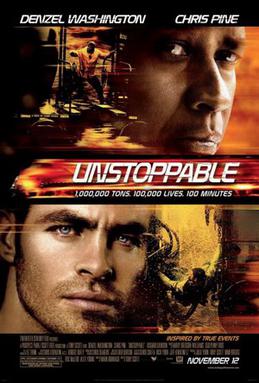
Unstoppable

Unstoppable was disaster thriller in which there was an runaway train carrying chemicals was about to derail into a town that would could cause an massive explosion. The story follows the attempts to stop and two people who managed to stop it. The thriller is good showing things that can go wrong and that it was believable story and it nearly did happen in real life. Since the film was based on a true story.


Sub-Genre of thrillers

Sub genres are when the film has more than one theme that might be in this film for example a thriller film may be psychological and action and notable example of an film that has a sub-genre is James bond which is thriller and there are several sub-genre including spying, action and adventure. Another thriller that has a sub-genre is “The conjuring” the sub-genre that films have is horror and psychological. Sub-genre tells the viewer what the film also includes.

Examples 

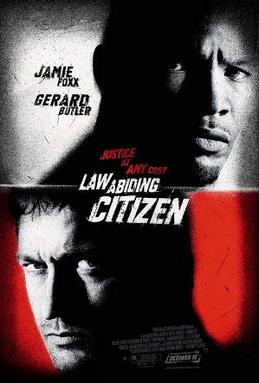
Law abiding Citizen

Law abiding citizen is an thriller however the main theme and sub genre within the film is an crime drama thriller.


Se7en

Seven is an neo-nior psychological thriller. The main plot of the film is to find and hunt down two serial killers. 


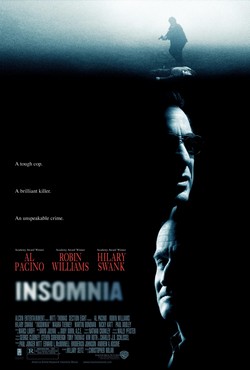
Insomnia

Insomnia is an crime psychological thriller. The main plot of this film is when an manhunt goes wrong and police officer is wrongly accused of murdering another police officer.


Common conventions and themes of thrillers

Like with most of types of genres there are common convection's and themes to a type of genre. Convection's are what features most in that area in this case it would be thrillers. Here some few examples of convection's.
  • Lighting
  • Editing Techniques
  • The use of props
  • Use of transitions
  • Dependnt on the sub-genre
Examples of Common conventions on thrillers
  • The orphan: Hate, Death, Stereotypes
  • Grudge: Murder, Mystery,
  •   James Bond, Spying, Action,
[Add an Visual Example]

During a film they maybe a common theme within film. This is usually the main focus on the film and they don't want to go off on an tangent on something else. Doing this will make the film more complicated for the audience and may get bad reviews because of it.

Audience response to thrillers

Depending on the type film and what the reoccurring theme there could be a mixture of feelings of  audience response to the film this could range from "Psychological" this might scare the audience into doing stuff this may include keeping the lights on until they forgot about what they were scared off  "Physiological" This may Provoke an response from the audience from the audience may  provoke and response from the audience. This may include people covering there eyes to their hair standing on end because there are scared of what happens next. This may also provoke diffrent emotions from diffrent people depending on the type of scene that is taking place.

So why are thrillers so popular. 

Personal Oppion
In my opinion thrillers are popular because a lot of people are getting more interesting in them from the famous thrillers like James bond that always make there audience excited and speechless to the indie thrillers that makes there critics speechless. Thrillers have been popular because of there appeal and that it can appeal to a wide variety of people. Also since most horror movies are now a mixture of both thriller and horror this has attracted more people to the genre. and that is such an wide range of different types of thrillers that generally attracted more people to watch this genre more often as well as more films that have an some sort of thriller element


Conclusion

All off this has helped to understand what is the thriller genre. The thriller genre is a genre that always excites people. Finding out what a thriller contained and what the general convection's in a thriller will help with me a coursework because i will able understand how you should produce thriller short and that what i should do and what i should not do. Also it will help me understand what type of angles cinematography and sound that will suite the genre.